handy hints

WHAT TO BRING TO YOUR SWIM LESSON

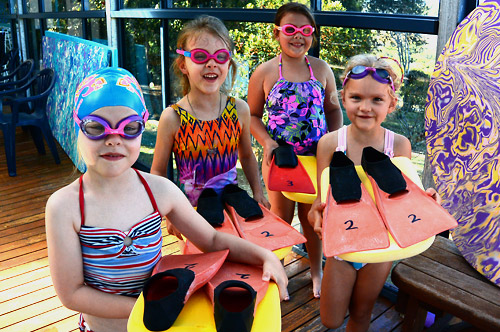
Swim Caps, because they must be worn at all times. Goggles, please ensure you label your child's cap & goggles.

All parents/carers in bubs club must wear big baggy shirt plus swim cap.

Squads need to bring drinking water.


NO EATING BY THE POOL

All children must be accompanied by a parent when using the toilets.

Please supervise your children when within the Hakoah Club. You are responsible for their behaviour and safety at all times.


INFANT AQUATICS:

How it all starts and what you need to be prepared.

What age to begin ?
Temperature of pool ?
Best Information source ?
What to expect ?
Don't give up ?
What it could be ?
Mega swim's highly recommended plan of action ?
Did you know?
Aqua Nappies ?
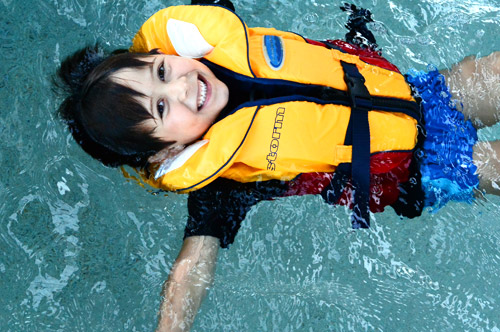
Floatation aids ?
Advantages ?
The Mega Swim school Golden rule ?
What type of floaties?
Swim seat ?
What is a Floatation Aid ?
Be ready ?


What age to begin?

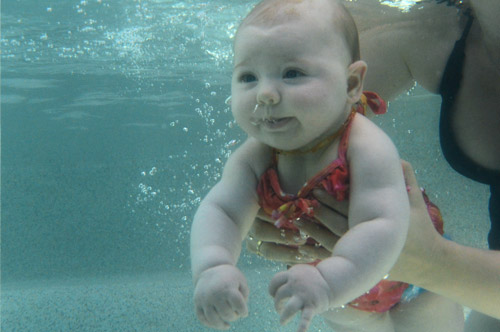
The recommended age to start swimming lessons is 6 months. (After Immunization). Meg recommends starting at 3 months in the shower, in the big bath at home and taking your child to an indoor heated pool. megaswimTop

Temperature of pool:

The temperature of the pool is a very important factor in the first swimming lesson. If the first experience is one of "shock" or "cold" it does not make for a good start. So check out the temperature of your local pools and look for an indoor heated pool at 30 -32 degrees, 33 degrees even better. Check out the pool as most pools and swimming schools are registered with swim Australia, Austswim and ASCTA.-Your local council should be able to advise on what choices you have in your local area. megaswimTop

Best Information source:

Word of mouth. Ask other parents about their swim school lessons. Check with your day care center or school, mothers or fathers that you know etc. megaswimTop

What to expect:

If your first lesson is in a Bubs club (Parents, carer in the pool with the child), highly recommended then parent doesn't become frustrated, embarrassed, or upset if their little one decides to have a cry, or scream. Children under the age of 2 are still mainly communicating by crying, so basically the little one is saying "what's this?" "Who are all these people"? It is all quite normal if it is a childs first swimming lesson that they cry. megaswimTop

Don't give up:

Persistence, Continuaty, Familiarization will help; just think, as your child gets older so will the demands get bigger. Dig your heels in this is just the beginning. Swimming is not a piano lesson it is a lesson for life. megaswimTop

What it could be:

If your little ones first swimming lesson was a crying lesson from hell it could mean a number if things:

• You have not had much family time in the swimming pool.
• Your child is not used to the new facility.
• Maybe it is your child's sleep time (Change lesson times)
• It may be your childs first group lesson.
• Teething (always teething)
• Parent or carer may be scared or nervous and holding child to tight causing child to feel the same.
• The water may be too cold
• Your child may not be used to strangers and not used to being held by other people.

Who knows maybe they are just having a bad day. megaswimTop

Mega swim's highly recommended plan of action:

Never stop having fun and having family time in the water as often as you can throughout the whole year. Children who have a structured lesson once a week, then have family time playing in the pool, experimenting, will advance a lot faster than those not having lessons or those having lessons as their only swim during the week. We set the structure, the parents are responsible for the homework and as a team we can get the job done. (swim for life) megaswimTop

Did you know?

Quite often swimming teachers are the 1st teacher in the whole wide world that your child will have. So it is important that you check out the school, programs and the teacher before you enrol. Take the opportunity to make sure your first swimming lesson is enjoyable. (Swim in a big pool before 1st swimming lesson). megaswimTop

Aqua Nappies:

What a great invention. Aqua nappies now make swimming for under 3 year olds more accessible which is fabulous. Aqua nappies should be worn at all times for children under 3 years of age. They should always have a swim suite over the top of the nappy otherwise it is like swimming in your underwear. (how embarrassing) megaswimTop

Floatation aids:

Not all swim schools teach learn to swim with floatation aids. Why we do at The Mega Swim School is: as a swimming instructor and a parent Meg feels the importance of educating parents and children on the correct and incorrect way of using floatation aids. At the Mega Swim School we have many families with 3-4 children under 6 years of age. It is our job to save lives I would rather you put floats on your children at the pool than try and keep you 2 eyes on 6 running legs. megaswimTop

Advantages:

Floaties are great fun when used correctly "ALWAYS UNDER STRICT SUPERVISION". Never ever leave children unattended or unsupervised. Floaties teach:

• Independence
• Motoring skills for a horizontal and vertical kick
• How a still body can become a floating body on front and back. Floaties are an educational tool not a life saving device. megaswimTop

The Mega Swim School Golden rule:

Always practice submerging and/or "eyes" in whilst wearing floaties. Never ever leave the swimming area without taking floaties off and bringing your child back to reality. Your child needs to be taught the difference of swimming with and without floatation. Remember this rule at all times and your experience with flaoties will be enjoyable. Wanting to swim with floaties on all the time is not natural like eating too much chocolate etc. Moderation is the key. megaswimTop

What type of floaties?

At no time at all do I recommend the use of floaties that is a part of clothing or swim suits. Children need to know the difference of floaties and swimming unaided. Arm bands and a back bubble (Eyeline) are enough and need to be attached by a parent. (Recommended for walking children only). Please remember the guide lines and participate in safe swimming. megaswimTop

Swim seat:

If your child is not yet walking then we recommend the swim seat as one of their first floatation device experience (Eyeline). These are great fun as parents can get some swim exercise and bub can get off the parent or carers hip for a change. NOT RECCOMENDED IN THE OCEAN. Be aware of outside influences when using floats like:

• Wind
• Waves
• Pumps in pools
• Other people
• Sun
• Currents etc. megaswimTop

What is a Floatation Aid:

• Mat
• Noodle
• Kick Board
• Arm Band
• Back Bubble
• Swim Seat
• Swim Ring

All these types of floatation aides can be used as equipment to help teach swimming. megaswimTop

Be ready:

Always arrive early for a swim lesson. Children hate rushing, it only creates stress and tension. As with any sport or class you need equipment, these include:

• Caps
• Aqua nappies
• Rash shirts for warmth
• Parent/carer needs big baggy shirt
• Swim wear. Always shower just prior to the lesson for hygiene reasons.

Make sure you start the first class appropriately as all classes start with a very important warm up period. megaswimTop